
How Human Behavior Influences Insurance: From Social Inflation to Pet Coverage
Published Date: 02/16/2024
Insurance isn’t static. It evolves with society—its values, behaviors, and even its frustrations. In a recent episode of Insurance Hour, host Karl Susman explored several issues that demonstrate just how human behavior and social trends directly influence what we all pay for insurance. From “social inflation” and its impact on claims to the niche world of classic car coverage and the growing debate around pet insurance, the discussion revealed that modern insurance is as much about psychology as it is about policy.
What Is Social Inflation—and Why Should You Care?
Most of us understand economic inflation: when more money circulates, the cost of goods rises. But social inflation is something else entirely—it’s when the cost of insurance claims rises due to changes in societal behavior and attitudes, not because materials or labor got more expensive.
As Susman explains, “Social inflation is the result of how people behave. It’s about our attitudes toward filing claims, suing for damages, or expecting compensation.”
For example, twenty or thirty years ago, a minor fender bender between two drivers might have been settled with a handshake or a quick exchange of cash. Today, even a small scratch almost always becomes an official insurance claim.
Why? Because social norms have shifted. People are more likely to rely on institutions to fix problems instead of handling them privately. Add to that a culture increasingly shaped by litigation and advertising from personal injury firms, and you get a feedback loop that drives up claims frequency—and, in turn, drives up everyone’s premiums.
When Behavior Becomes a Cost Driver
Social inflation isn’t about greed or malice—it’s about incentives and awareness. Consumers are simply more informed about their rights and more accustomed to “getting what they paid for.” But the downside is that collective overuse of the insurance system erodes its balance.
Insurance works when many people pay for protection that only a few will need at any given time. But when everyone files small claims for every incident, that equilibrium collapses.
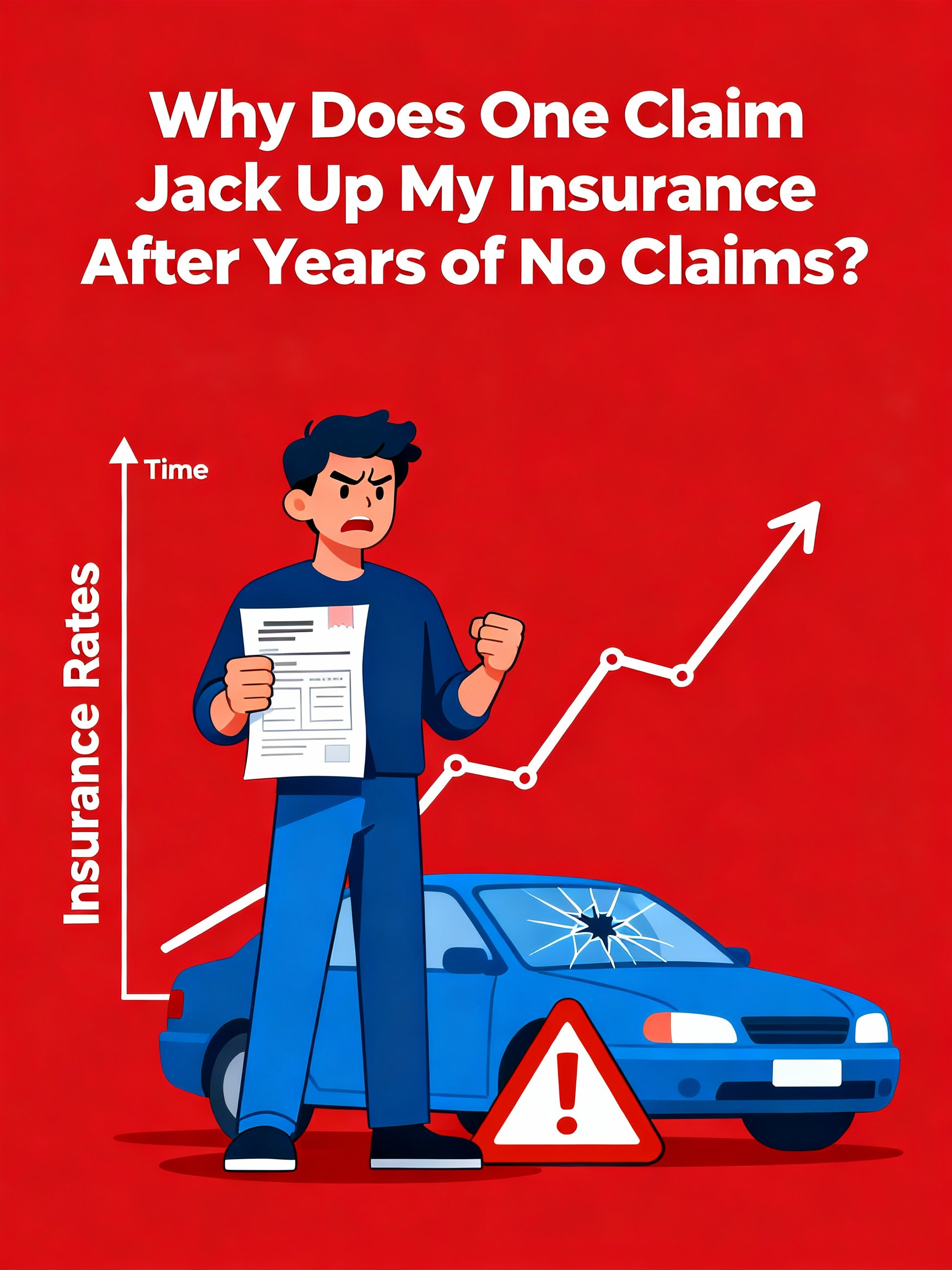
Susman notes that more clients today are starting to reconsider filing small claims precisely because they’ve seen premiums skyrocket. “People are realizing that filing for every scratch isn’t always worth it,” he says. “They’re learning that keeping a clean record—maintaining that claim-free discount—saves more money over time.”
This small behavioral adjustment, he adds, is an encouraging sign that consumers are becoming more thoughtful about the consequences of their claims decisions.
Litigation, Advertising, and Attitude: Fueling Social Inflation
The legal system also plays a role. Over the past two decades, there’s been an explosion of television and radio ads urging people to “get the settlement you deserve.” While such ads can empower people with legitimate grievances, they also contribute to a perception that every accident or mishap should yield compensation.
As Susman explains, this mentality increases the frequency and severity of claims. When payouts grow larger and more frequent, insurance companies must raise premiums to cover those costs.
It’s a cycle—and it’s largely driven by how society now perceives fairness and accountability. “Social inflation,” he says, “isn’t caused by climate change or natural disasters—it’s caused by us.”
Small Business Reality Check: The Startup and E&O Insurance
During the episode, a caller named Cody—founder of a small tech startup—asked for advice on how much coverage to buy. His concern? Balancing affordability with adequate protection through Errors and Omissions (E&O) insurance.
Susman’s advice was pragmatic: new companies, like new drivers, face a higher risk of error simply because of inexperience. “Something new is untested,” he explained. “That doesn’t mean you’ll fail, but it does mean you should be prepared for mistakes.”
He emphasized that startups should:
- Carry E&O or professional liability insurance for operational risks.
- Add directors and officers (D&O) coverage to protect decision-makers from lawsuits.
- Review product and completed operations coverage if they sell tangible products or software.
- Ask their brokers directly, “What exposures am I not covered for?”
The key takeaway: insurance isn’t about optimism—it’s about realism. If you’re building something new, plan for “one asteroid impact,” as Susman put it—an event big enough to hurt, but not big enough to destroy your business.
Loyalty vs. Smart Shopping: Should You Stay with One Insurer?
Another caller raised a common concern: Is there any real benefit to being a loyal customer? After decades with the same insurer, they felt mistreated during a claim. Should they have been shopping around all along?
Susman’s response balanced loyalty with logic. Staying with the same insurer does matter—especially when you have a long-term relationship that includes multiple policies (home, auto, umbrella). “It carries weight,” he said. “If there’s a gray area in a claim, loyalty can make a difference.”
However, he cautioned that every policy renews annually, which means the relationship essentially resets each year. In a hard market like California’s—where insurers are exiting and rates are tightly controlled—loyalty alone won’t guarantee renewal. If an insurer is losing money on your risk, they may non-renew regardless of your tenure.
Bottom line: stay loyal when it makes sense, but never stop comparing. Insurance isn’t a “set it and forget it” service—it’s an annual negotiation.
Captive vs. Independent Agents: Knowing the Difference
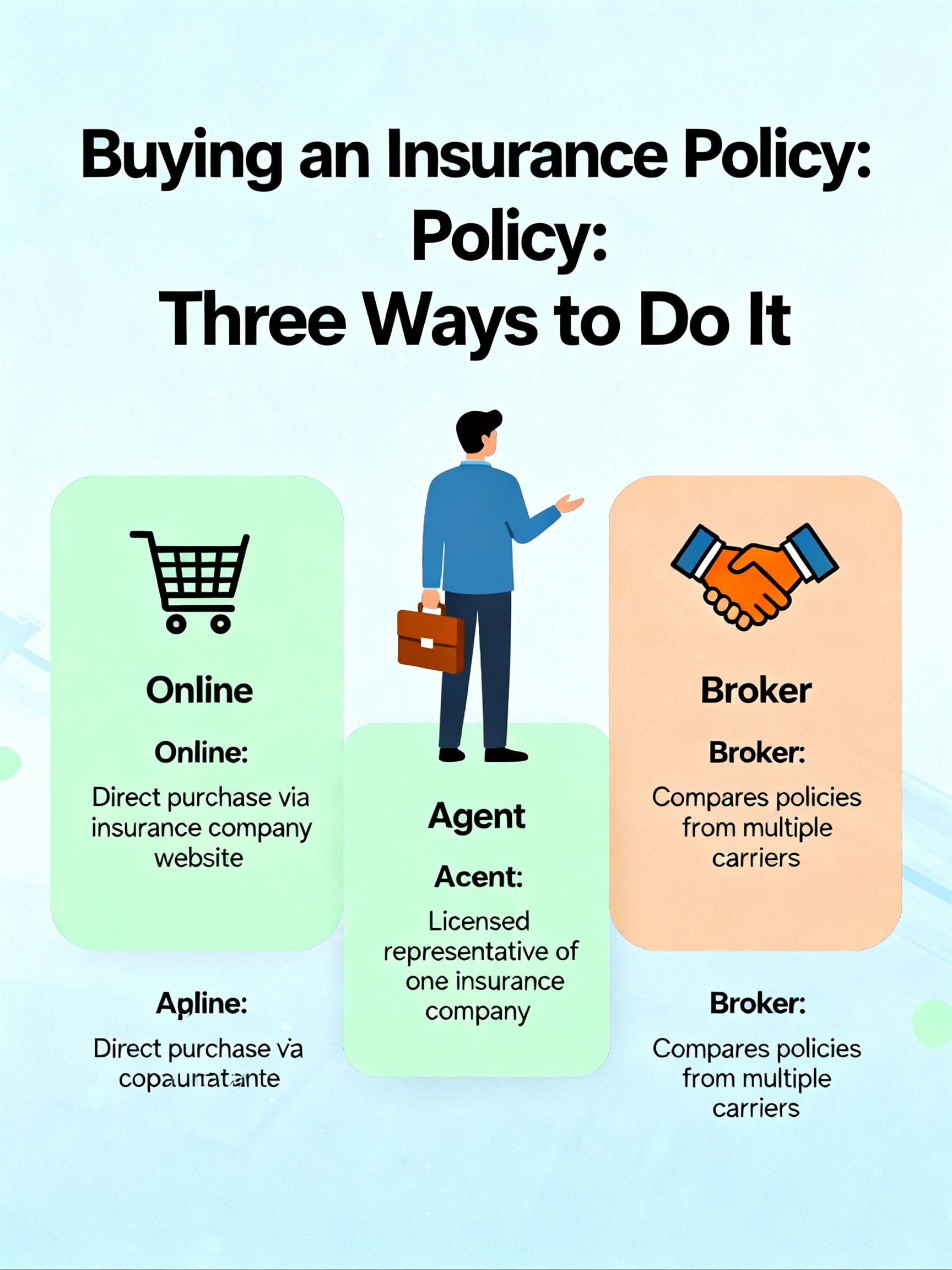
The conversation then turned to the difference between captive and independent agents. A captive agent sells policies for only one company. An independent agent or broker can shop multiple carriers on your behalf.
Susman made his position clear: while captive agents can offer strong support within their company’s offerings, independent brokers provide flexibility and choice—two critical advantages in today’s volatile market.
“An independent broker can go to ten carriers and find the best fit,” he said. “A captive agent has one product. That doesn’t mean it’s bad—it just means it’s limited.”
In a state where insurance options are shrinking, flexibility can make the difference between being covered and being uninsured.
Earthquakes and the Limits of Homeowners Coverage
A listener from Southern California asked about earthquake coverage—an increasingly relevant topic as seismic activity rises. Their question: If an earthquake damages my home and I don’t have earthquake insurance, is anything covered?
Susman’s answer was sobering: “Only fire.”
Standard homeowners policies specifically exclude earthquake damage, but they’ll cover fires resulting from one. Everything else—from cracked foundations to fallen shelves—is excluded unless you carry a California Earthquake Authority (CEA) or private earthquake policy.
He also noted that earthquake coverage temporarily freezes after a major quake. “When there’s an active event, insurers pause new policies for a few days,” he explained. “So if you wait until after you feel the shake, it’s too late.”
Pet Insurance: Compassion Meets Cost Reality
The next caller brought up a tender subject—two aging dogs on palliative care—and asked if pet insurance would have helped. Susman empathized but clarified how pet insurance really works.
Unlike health insurance for people, pet insurance isn’t underwritten based on the animal’s current health. Because carriers can’t assess risk individually, they must price premiums high enough to cover both healthy and unhealthy pets. As a result, older animals—those most likely to need care—often face very high premiums.
Susman recommends viewing pet insurance as accident coverage for younger pets, not as a long-term health plan. “It makes more sense when they’re young and healthy,” he said. “By the time they’re old, you’ve probably paid more in premiums than you’ll get back.”
Still, he acknowledged the emotional dimension: “Dogs are family,” he said gently. “They’re with us every day. Insurance can’t replace them—but it can help ease the burden when you have to make hard choices.”
Classic Cars and Garage Coverage: Protecting the Past
One of the final callers was a Florida mechanic with a garage full of classic cars—some personal, some customer vehicles. His question: how to insure vehicles that are stored, occasionally driven, or under repair.
Susman explained that classic car insurance allows owners to declare a vehicle’s value upfront, rather than rely on market depreciation. “You and the insurer agree on what it’s worth,” he said. “That way, if it’s stolen or damaged, you get that agreed value.”
He also highlighted the importance of care, custody, and control coverage under garage policies—which protects a business from damage to vehicles it temporarily holds for repair. “If you’re working on a $250,000 car, make sure your policy doesn’t cap payout at $50,000,” he warned. “That mistake could bankrupt a small shop.”
For customers, he offered one last piece of practical advice: when leaving your car with a mechanic, ask for a certificate of insurance. “You wouldn’t leave your child at a daycare without checking their coverage,” he said. “Don’t do it with your car.”
Final Thoughts: Insurance as a Mirror of Society
By the end of the episode, one message was clear—insurance doesn’t exist in a vacuum. It’s a mirror reflecting the economy, culture, and choices of the people it protects.
Whether it’s the rise of social inflation, the tension between loyalty and competition, or the sentimental value of classic cars and aging pets, every insurance decision reveals how we balance risk, trust, and emotion.
As Susman concluded:
“Insurance isn’t about fear—it’s about responsibility. The more we understand what drives our risks, the more control we have over our financial future.”
Author